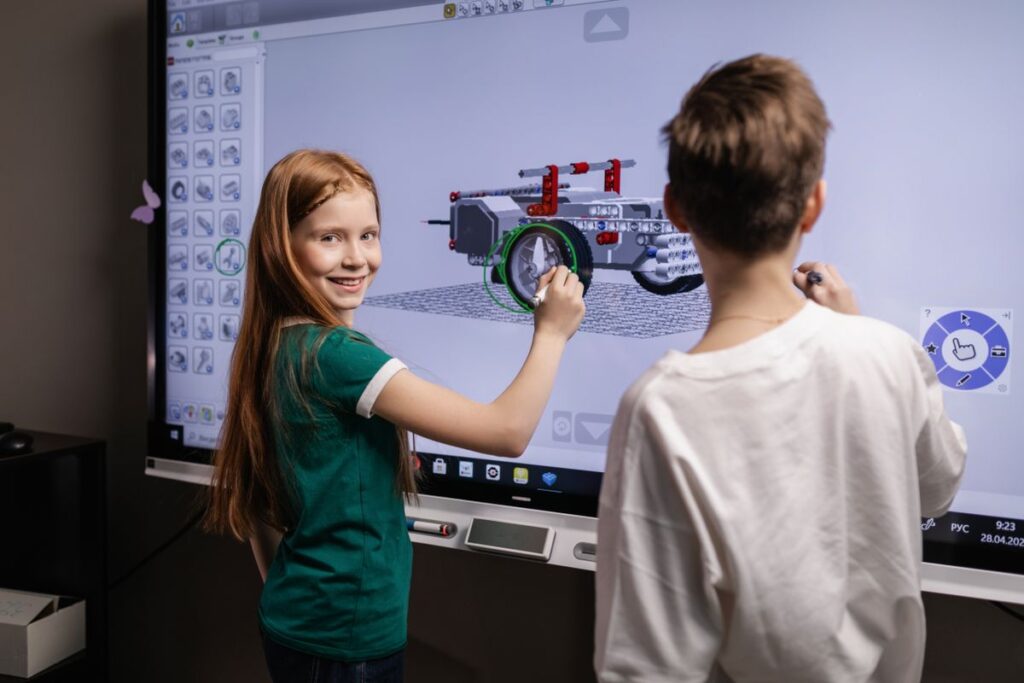
Education technology has a hype problem. For every genuinely useful tool that reaches a classroom, there are five demo videos that never survive contact with a tired teacher and a patchy Wi-Fi connection. Having watched a few cycles of this from up close, I have become conservative about predictions — so treat this list as a filter, not a forecast: these are the shifts with compounding evidence behind them, and the ones still running on venture capital.
Shift 1: AI tutors become classroom infrastructure
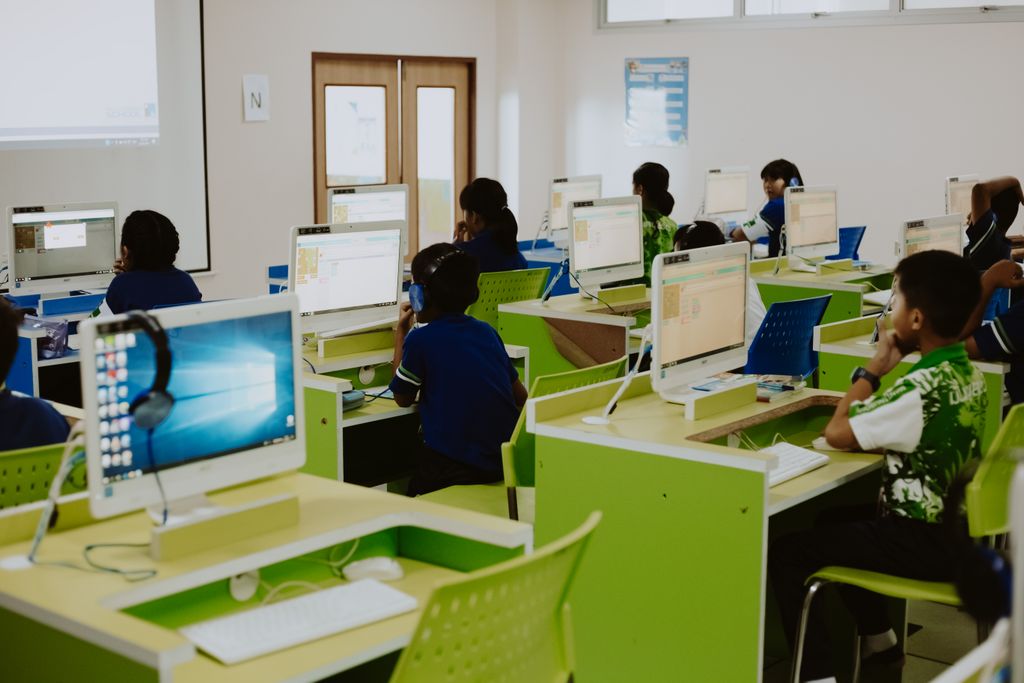
The interesting question about AI tutors has quietly flipped from “can they teach?” to “who gets them first?” Pilot programs in large school districts are showing what individual adopters saw two years ago: a patient, always-available tutor moves the needle most for students who previously had none. By 2030 expect AI tutoring time to be budgeted and scheduled like library time — unremarkable, infrastructure-level, unevenly distributed at first.
Shift 2: Assessment moves from product to process
Take-home essays are dead as an assessment instrument; the AI-detector arms race ended in an armistice nobody won. What replaces them is already visible: oral defenses, version histories, in-class writing with the process captured, and project work documented week by week. This is the shift with the deepest classroom impact, because it changes what “doing your homework” means rather than just policing it.
Shift 3: The teacher’s job description changes
The “AI will replace teachers” take keeps failing for the same reason: the hard part of teaching was never information delivery. What actually changes is time allocation — automated grading, differentiation, and lesson-material drafting hand back five to eight hours a week in schools that implement seriously. Where those hours go is the variable to watch: more one-on-one time in well-run schools, more admin in badly-run ones. The technology does not decide; the schedule does.
Shift 4: Skills-based hiring reshapes what courses are for
A growing stack of employers — including several that once filtered ruthlessly by degree — now hire on portfolio and verified skills. Universities are responding with micro-credentials and stackable certificates that age better than a four-year syllabus. The 2030 version of “what are you studying?” will often have a version number attached.
Shift 5: Personal learning paths stop being marketing copy
Adaptive learning has promised “a unique path for every student” since the 1990s. What is new is that large language models finally make the path generative — the same material re-explained at the level you actually need, in the examples you actually care about. The tools I reviewed last month are early, personal-scale versions of exactly this.
And the three that will not matter
The metaverse campus. VR field trips are delightful and will stay niche: headset hygiene alone kills whole-class deployment. Fully autonomous classrooms. Every “teacherless classroom” demo I have seen assumes motivated sixteen-year-olds, which is to say it assumes the one thing classrooms exist to handle. Gadget drops. The one-laptop-per-child lesson keeps re-learning itself: hardware without teacher training and curriculum integration is inventory, not education.
Where to start
If you are a learner, none of this requires waiting for institutions: the AI-tutor-at-home future shipped early, and the tools are already good (see my review of this year’s study tools). If you are a teacher or parent, the highest-leverage experiment this term is small: one subject, one tool, one class. If you want the personal-scale version of these shifts, my workflow post shows how to run your own pipeline today.
Read next: I Tested 7 AI Study Tools for 30 Days: Only 4 Made the Cut